
The recommended macronutrient ratios for muscle gain typically involve a higher intake of protein, moderate intake of carbohydrates, and a slightly lower intake of fats. Protein is essential for muscle growth and repair, so it is recommended to consume around 1.2-2 grams of protein per kilogram of body weight. Carbohydrates provide the energy needed for intense workouts and replenishing glycogen stores, so it is recommended to consume around 45-65% of total calories from carbohydrates. Fats are important for hormone production and overall health, but a slightly lower intake is recommended for muscle gain, around 20-35% of total calories.
The number of calories someone should consume to support muscle growth depends on various factors such as their age, gender, weight, activity level, and goals. Generally, a caloric surplus is needed to support muscle growth, meaning that more calories are consumed than burned. It is recommended to consume around 250-500 calories above maintenance level to support muscle growth. However, it is important to note that the surplus should be gradual and not excessive, as excessive calorie intake can lead to unwanted fat gain.
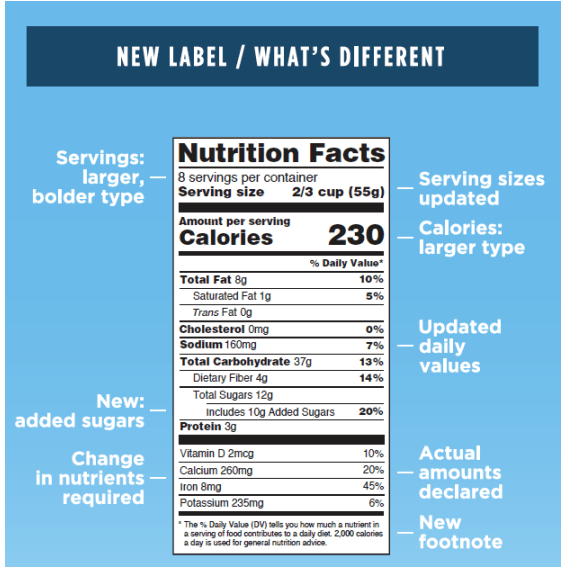
Nutrition plays a pivotal role in achieving fitness goals, and understanding how to read a nutrition facts panel is a crucial skill for anyone on… The post Reading Nutrition Labels: Guiding Personal Training Clients Through Recent Changes appeared first on National Federation of Professional Trainers.
Posted by on 2024-01-23
The best sources of protein for muscle building include lean meats such as chicken, turkey, and fish, as well as dairy products like Greek yogurt and cottage cheese. Plant-based sources of protein such as beans, lentils, tofu, and quinoa are also excellent options. These protein sources provide essential amino acids that are necessary for muscle repair and growth. It is recommended to consume a variety of protein sources to ensure a complete amino acid profile.

While it is not necessary to take supplements for muscle gain, they can be beneficial for individuals who struggle to meet their protein needs through whole foods alone or have specific dietary restrictions. Protein supplements such as whey protein powder or plant-based protein powders can be convenient options to increase protein intake. Additionally, creatine monohydrate has been shown to enhance muscle strength and size when combined with resistance training. However, it is important to consult with a healthcare professional before starting any supplements.
The timing of meals and snacks can play a role in muscle growth, but it is not the most crucial factor. It is more important to focus on meeting daily macronutrient and calorie goals rather than obsessing over specific meal timing. However, consuming a balanced meal or snack containing protein and carbohydrates within an hour or two before and after a workout can help provide the necessary nutrients for muscle repair and growth. This can also help replenish glycogen stores and prevent muscle breakdown.

Carbohydrates play a crucial role in muscle building as they provide the energy needed for intense workouts and help replenish glycogen stores. When carbohydrates are consumed, they are broken down into glucose, which is stored as glycogen in the muscles and liver. During exercise, glycogen is used as a fuel source, and when glycogen stores are depleted, fatigue sets in. By consuming an adequate amount of carbohydrates, individuals can ensure they have enough energy to perform their workouts and support muscle growth.
Certain foods and nutrients can aid in muscle recovery and reduce soreness. Consuming an adequate amount of protein is essential for muscle repair and recovery. Additionally, foods rich in antioxidants, such as fruits and vegetables, can help reduce inflammation and promote recovery. Omega-3 fatty acids found in fatty fish like salmon and walnuts have anti-inflammatory properties and can aid in muscle recovery. Tart cherry juice has also been shown to reduce muscle soreness and inflammation. Staying hydrated and consuming enough fluids, especially during and after workouts, is also important for muscle recovery.

Personal training can provide valuable support for individuals undergoing hormone therapy by helping them manage the physical and emotional changes that may occur during this process. A knowledgeable personal trainer can design exercise programs that are tailored to the specific needs and goals of individuals undergoing hormone therapy, taking into account factors such as hormone levels, muscle mass, and bone density. They can also provide guidance on nutrition and lifestyle choices that can optimize hormone balance and overall well-being. Additionally, personal trainers can offer emotional support and motivation, helping individuals stay committed to their fitness goals and maintain a positive mindset throughout their hormone therapy journey. By providing a holistic approach to health and wellness, personal training can play a crucial role in supporting individuals undergoing hormone therapy.
Personal training is designed to be flexible and adaptable, making it an ideal option for individuals with busy schedules. Personal trainers understand the demands of a hectic lifestyle and are skilled at creating customized workout plans that can be easily integrated into a busy day. They can offer early morning or late evening sessions to accommodate individuals who have limited availability during regular business hours. Additionally, personal trainers can provide online or virtual training sessions, allowing clients to exercise from the comfort of their own homes or while traveling. This flexibility ensures that individuals with busy schedules can still prioritize their health and fitness goals without sacrificing other important commitments.
Personal training offers numerous benefits for individuals with high-stress jobs. Firstly, it provides a structured and personalized exercise program tailored to the individual's specific needs and goals. This helps in reducing stress levels by promoting physical activity and releasing endorphins, which are natural mood boosters. Additionally, personal trainers can teach stress management techniques such as deep breathing exercises, meditation, and mindfulness, which can be incorporated into the individual's daily routine to help them better cope with stress. Moreover, personal training sessions can serve as a form of therapy, allowing individuals to vent their frustrations and concerns, providing a supportive and non-judgmental environment. This can help in relieving mental and emotional stress, improving overall well-being. Overall, personal training offers a holistic approach to stress management, addressing both the physical and mental aspects, and empowering individuals to better navigate the challenges of their high-stress jobs.
Personal training is highly beneficial for athletes in specific sports as it allows for a tailored and specialized approach to their training regimen. By working closely with a personal trainer who has expertise in their particular sport, athletes can receive guidance and instruction that is specific to the demands and requirements of their chosen activity. This includes focusing on sport-specific skills, such as agility, speed, and endurance, as well as addressing any weaknesses or imbalances that may hinder performance. Additionally, personal trainers can provide valuable insights and strategies to enhance an athlete's performance, such as developing sport-specific training programs, analyzing technique and form, and implementing injury prevention measures. Through personalized training sessions, athletes can optimize their physical abilities, improve their performance, and ultimately excel in their chosen sport.
Yes, there are personalized training programs available for individuals with specific skin conditions. These programs are designed to address the unique needs and concerns of individuals with conditions such as acne, eczema, psoriasis, rosacea, and hyperpigmentation. The training programs typically involve a combination of education, guidance, and practical exercises to help individuals manage their skin condition effectively. They may include personalized skincare routines, dietary recommendations, lifestyle modifications, and specific exercises or techniques to improve skin health. These programs are often developed and delivered by skincare professionals, dermatologists, or estheticians who have expertise in treating specific skin conditions. By following a personalized training program, individuals can gain a better understanding of their skin condition and learn how to effectively manage and improve their skin health.
Personal training provides numerous benefits for individuals with specific aesthetic goals. Firstly, a personal trainer can design a customized workout program tailored to the individual's specific needs and preferences, ensuring that they are targeting the right muscle groups and areas of the body. This personalized approach allows for maximum efficiency and effectiveness in achieving the desired aesthetic results. Additionally, a personal trainer can provide guidance and support in terms of nutrition and diet, helping individuals make the right choices to support their aesthetic goals. They can also provide motivation and accountability, pushing individuals to stay consistent and committed to their training regimen. Furthermore, personal trainers have extensive knowledge and expertise in various exercise techniques and equipment, allowing them to introduce new and innovative exercises that can help individuals break through plateaus and achieve their desired aesthetic outcomes. Overall, personal training offers a comprehensive and holistic approach to achieving specific aesthetic goals, ensuring that individuals are equipped with the necessary tools and guidance to succeed.